Dalston Locksmith Service Team
Local locksmith team
21 Oct 2026 10 min read
If you live in Hackney — whether that is a Victorian terrace off Dalston Lane, a housing association flat near London Fields, or a newer build on the edge of Homerton — there is a reasonable chance your front door has a euro cylinder lock. These are the barrel-shaped locks that sit in the middle of uPVC and composite doors, and they are everywhere across the borough. They are also, unless specifically designed to resist it, vulnerable to a break-in method called lock snapping. This article explains exactly what that means, why it matters for your home, and what you can do about it.
Lock snapping is not a rare or exotic attack. It is the method most commonly used by opportunist burglars on uPVC doors across London and the rest of the UK, and Hackney is no exception. The good news is that the solution is well understood, relatively straightforward, and far less disruptive than dealing with the aftermath of a break-in. Read on and we will walk you through everything a homeowner needs to know.
Why Euro Cylinders Snap — and Why It Matters for Locksmith London Customers
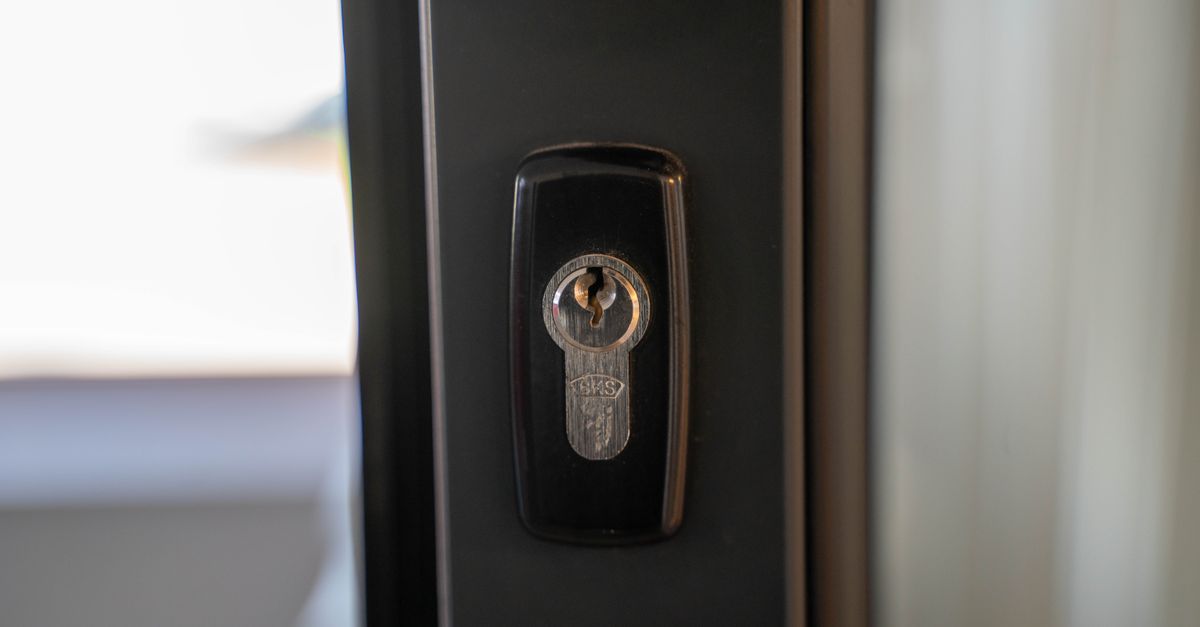
A standard euro cylinder has a deliberate weak point built into its design. This exists so that if a key breaks inside the lock, the cylinder can be replaced without having to change the entire door mechanism. Unfortunately, burglars discovered that this same weak point can be exploited with nothing more sophisticated than a pair of pliers and a screwdriver. By gripping the section of the cylinder that protrudes beyond the door plate and applying force, an intruder can snap the cylinder cleanly in two. Once the outer section breaks away, the inner cam that operates the lock is exposed and the door opens in seconds. The whole process can take under a minute and makes very little noise — no smashed glass, no kicked-in door frame.
The cylinders most at risk are the standard, unprotected euro cylinders that were installed as original equipment in millions of uPVC doors manufactured before around 2010, and in cheaper doors fitted since. If you do not know what type of cylinder is in your door, the length of the cylinder protruding beyond the outer face plate is a useful clue: anything more than about 3mm of exposed metal dramatically increases the snapping risk. Many doors in older Hackney conversion flats and terraced houses still have these original cylinders in place, and their occupants have no idea.
What TS007 Stars Actually Mean — a Practical Guide for Any Lock Change London Job
TS007 is the British Standard specifically written to address lock snapping and cylinder security. Cylinders and door hardware tested against this standard are awarded a star rating — one, two, or three stars — based on how well they resist attack. Understanding what those stars mean helps you make an informed decision rather than simply buying whatever the hardware shop puts on the shelf.
A one-star cylinder on its own offers a basic level of snap resistance. A two-star cylinder provides stronger anti-snap, anti-pick, anti-drill, and anti-bump protection. A three-star rating can be achieved in two ways: either by fitting a single cylinder that meets the full three-star specification on its own, or by combining a one-star cylinder with a two-star door handle or escutcheon (the decorative plate surrounding the lock). That second combination route is worth knowing because it means you do not necessarily have to replace the cylinder and the hardware in one go — sometimes upgrading the door furniture alone can push your door to the three-star threshold. For most insurers and for the Secured by Design scheme that many London housing associations follow, a three-star TS007 door is the benchmark they look for. When our team carries out a door lock replacement London job, we confirm the existing setup and advise on exactly which combination will reach that standard for your specific door.
How to Tell If Your Door Needs an Anti-Snap Upgrade — Signs to Check Today
Start by looking at your front door. If it is a uPVC or composite door with a horizontal handle and a visible barrel lock in the centre of the door edge, you have a euro cylinder. The next thing to check is how much of that cylinder sticks out beyond the outer face plate when the door is closed. Get down to eye level and look at the gap between the edge of the cylinder and the edge of the face plate. If the cylinder protrudes noticeably — roughly 3mm or more — it is at higher snapping risk because a burglar has enough metal to grip.
Beyond the visual check, consider the age of your door. Doors fitted before around 2012 are very likely to have a standard, unprotected cylinder. If you are in a privately rented flat in Hackney, your landlord or letting agent is responsible for the security of the main entrance; if you have concerns, raise them in writing. If you own your home and your insurer has asked you to fit a British Standard lock, check whether your policy specifies TS007 — many now do. If your cylinder has no markings, no star rating stamped on the face, and cost very little when it was fitted, treat it as unprotected until proven otherwise. Our team can assess your door during any visit and give you a clear, honest picture of where you stand. You are welcome to call 020 3757 8288 at any time — we answer around the clock, every day of the year.
What an Anti-Snap Cylinder Actually Does — and What to Expect from a uPVC Door Lock Repair London Visit
A proper anti-snap cylinder is engineered with a sacrificial break point positioned deliberately outside the door, in the section that protrudes beyond the face plate. When a burglar applies snapping force, the cylinder does break at that outer point — but everything behind the door face, including the cam and the locking mechanism, remains completely intact. The lock continues to function normally. The attacker ends up with a useless piece of metal in their hand and a lock that still will not open. Many high-quality cylinders in this category also incorporate hardened steel inserts to resist drilling, anti-pick pins to defeat picking attacks, and anti-bump profiles to prevent bump-key entry — so a single upgrade addresses the most common physical attack methods in one go.
When one of our locksmiths visits your Hackney home to carry out a uPVC door lock repair London job or a full cylinder replacement, the process is straightforward. We remove the existing cylinder, check the door measurements, fit a correctly-sized anti-snap cylinder, test the lock and handles, and ensure the door closes and seals properly. The whole job on a standard uPVC door typically takes well under an hour. Before we start any work, we confirm an exact up-front price — the final figure depends on the specific cylinder specification required, the type and age of your door, and when you need the work done. There are no hidden extras once we have assessed the job.
Emergency Locksmith London and 24 Hour Locksmith London — When Snapping Has Already Happened
If you come home to find your euro cylinder has been snapped — either by a burglar or, occasionally, by accidental force — do not attempt to operate the exposed mechanism yourself. The door may appear closed but the locking points may no longer be engaged. Before assuming the worst, check whether anything inside the property has been disturbed; if you suspect an intruder may still be on the premises, leave the building and call 999 immediately. Once the situation is safe, call us on 020 3757 8288. As a 24 hour locksmith London team, we operate on evenings, weekends, and bank holidays, and we will send a locksmith straight away — in most cases across Hackney and the surrounding area we are with you in around 30 minutes.
When we arrive, we will gain access to your property through legitimate means, verify that you are entitled to access, replace the damaged cylinder with a suitable anti-snap unit, and check the rest of the door and frame for any secondary damage. If the door furniture has been bent or the face plate damaged during the attack, we will advise you on what else may need attention. We will also check whether your existing multipoint locking system is still engaging correctly — a forced snapping attempt can occasionally put stress on the locking strips inside the door. Getting a proper anti-snap cylinder fitted immediately after an incident is not just good sense; it is usually a requirement before your insurer will continue to cover the property.
Frequently asked questions
How do I know if my current cylinder is anti-snap without calling anyone out?+
Look for a star rating stamped or printed on the face of the cylinder, or check the packaging if you still have it. TS007 1-star, 2-star, or 3-star markings are the indicators to look for. You can also search the brand name and model number online to check its specification. If there is no marking visible and the cylinder protrudes more than a few millimetres beyond the face plate, treat it as a standard unprotected cylinder until you can confirm otherwise. When in doubt, a quick call to 020 3757 8288 is the fastest way to get a straight answer.
My door is a composite door — does it still need an anti-snap cylinder?+
Yes. Composite doors use the same euro cylinder format as uPVC doors and are subject to the same snapping risk if the cylinder fitted is a standard, unprotected type. Some composite doors are sold with a good-quality anti-snap cylinder already installed, but many are not, particularly those supplied a few years ago or at the lower end of the market. The same visual checks apply: look for a TS007 star rating on the cylinder face and check how much of the barrel protrudes beyond the outer plate.
Will upgrading to an anti-snap cylinder affect my home insurance?+
Many home insurers, particularly those offering buildings or contents cover in London, now specifically ask about lock standards when you take out or renew a policy. Some policies include a condition that external doors meet BS3621 or TS007 3-star. Fitting a compliant anti-snap cylinder can satisfy that requirement and may avoid a situation where a claim is reduced or disputed on the basis that the lock did not meet the stated specification. It is worth checking your policy wording and, if the insurer asks for evidence, keeping the packaging or asking us to note the cylinder specification when we fit it.
How long does it take to fit an anti-snap cylinder, and do I need to stay in all day?+
On a standard uPVC or composite door, fitting a new anti-snap cylinder is usually a job that takes well under an hour from arrival to completion. You do not need to clear the day. We will confirm an appointment window with you and give you a clear up-front price on the phone before anyone comes out — the final quote depends on the cylinder type needed, your door setup, and the time of day. Call us on 020 3757 8288 and we can usually get to most parts of Hackney and surrounding London areas the same day, or immediately if it is an emergency.