Dalston Locksmith Service Team
Local locksmith team
30 Sep 2026 10 min read
Moving into a new home in Hackney — whether that's a Victorian terrace off Dalston Lane, a flat in a converted block near London Fields, or a newer build closer to Homerton — is one of those moments that feels equal parts exciting and overwhelming. Amongst the removal boxes, meter readings, and calls to the letting agent, one task quietly sits at the top of the security list: changing the locks. It is easy to push this down the to-do list, but every day you delay is a day the previous owner, their estate agent, their builder, or anyone they ever handed a spare key to still has access to your home.
This guide walks you through exactly why lock changing should happen on day one, what the process looks like in practice, and what the right solution is depending on whether your front door is uPVC, composite, or traditional timber. If at any point you would rather just speak to someone, our team at Dalston Locksmith is available around the clock — call 020 3757 8288 and we will talk you through your options before anyone sets foot on your doorstep.
## Why Day One Is the Right Day for a Lock Change London
When you complete on a property purchase or sign a tenancy agreement, the keys handed to you represent only the ones the seller or landlord knows about. Over the lifetime of a home, keys get cut for cleaners, dog walkers, relatives, tradespeople, and previous tenants — and those copies rarely get collected back in. There is no ill intent assumed here; it is simply the reality of how homes are lived in. What matters is that from the moment you take possession, you have no way of knowing how many copies of your key exist or where they are.
A door lock replacement London homeowners often treat as optional is, in practice, one of the most cost-effective security steps you can take. Many home contents insurers also quietly expect it — some policies include a clause that the locks must be of a certain standard or that you must be the only keyholder. Fitting a new cylinder or a new lock set on day one means you start with a clean slate, a known number of keys, and the right hardware for your insurer's requirements. It is a straightforward job for an experienced locksmith and, in most cases, is completed within the hour.
## uPVC and Composite Doors: Euro Cylinders and the Anti-Snap Risk
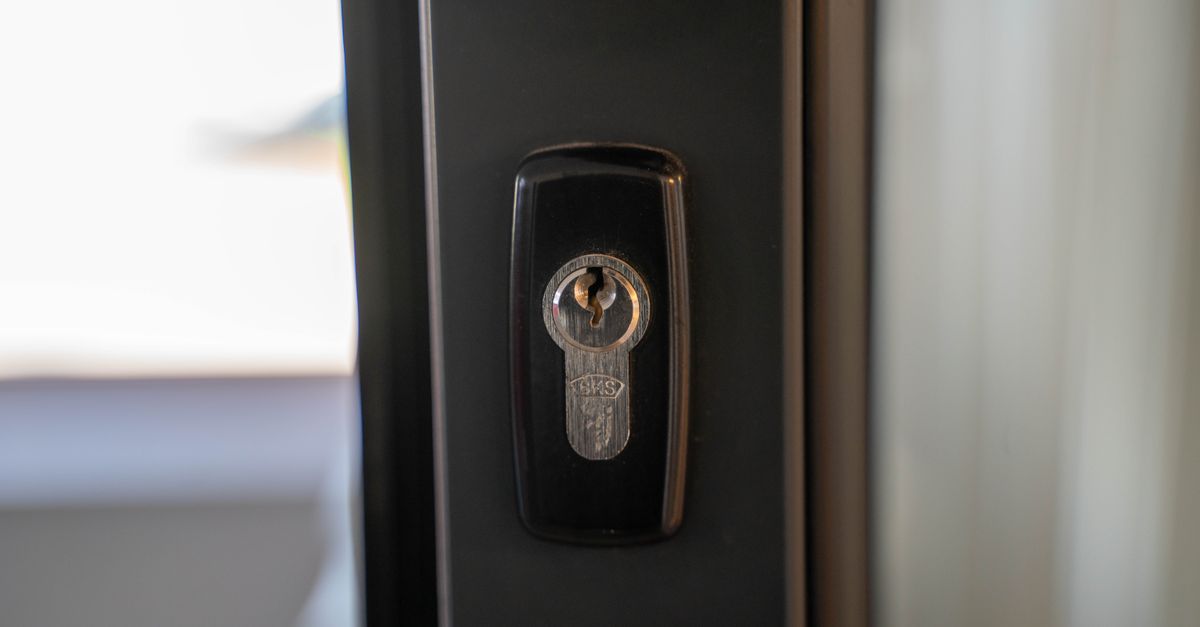
The majority of homes in Hackney built or refurbished since the mid-1990s have uPVC or composite front doors. These use a multipoint locking system operated by lifting the handle and turning the key, and at the heart of that system is a euro cylinder — the oval-shaped barrel you insert your key into. The critical thing to understand is that standard euro cylinders are vulnerable to a technique called cylinder snapping, where an intruder uses brute force to snap the cylinder in two and gain entry in seconds. This is not a rare edge-case; it has been a documented problem across London for years and is precisely why the industry developed anti-snap cylinders.
When we carry out a uPVC door lock repair London call or a straightforward cylinder upgrade, we fit anti-snap, anti-pick, anti-drill cylinders that meet the TS007 3-star rating — the benchmark that most insurers and the Secured by Design scheme recognise. The cylinder itself is replaced; the multipoint mechanism in the door body is usually left in place unless it is faulty. The job involves removing two screws and a small retaining bolt, withdrawing the old cylinder, and fitting the new one to the correct length for your door. It sounds simple, and in experienced hands it is — but getting the cylinder length wrong can leave the mechanism exposed or the door refusing to lock properly, which is why a trained locksmith is always the right choice for this work.
## Timber Doors: Nightlatches, Mortice Deadlocks, and BS3621
Older timber front doors — common in Hackney's stock of Victorian and Edwardian terraces, particularly around Dalston, Stoke Newington, and De Beauvoir Town — typically have two locks: a Yale-type nightlatch (the one that snaps shut when you pull the door closed) and a 5-lever mortice deadlock fitted into the edge of the door. The nightlatch handles day-to-day convenience; the mortice deadlock is the serious security lock you use when leaving for the day or going to bed. For full insurance compliance, both should meet current standards — and the mortice lock specifically should carry the BS3621 kitemark, which is what most home insurers specify.
Changing the locks on a timber door involves two separate operations. Replacing the nightlatch cylinder is straightforward — the cylinder is usually held in place by a single screw on the interior rose. Installing or replacing a mortice deadlock is a slightly more involved piece of work: the lock case sits in a mortice pocket cut into the door edge, and the striker plate is recessed into the door frame. If you are keeping the same size of lock, the existing pockets should accept the new hardware directly. If you are upgrading to a larger or different profile lock — for example, learning how to install a mortice lock in a new door, or in a door that previously had only a nightlatch — the locksmith will need to cut or extend the mortice pocket, which adds a little time but is a routine part of the job. The result is a door that meets insurer expectations and is significantly harder to force, pick, or bump.
## What Happens If You Are Locked Out Before the Locks Are Changed
Moving day is chaotic, and lockouts happen precisely when hands are full and attention is stretched thin. If you find yourself locked out of your house — key left inside, lock unfamiliar, door pulled shut in error — the first sensible steps are the same in any situation: check whether any other door or window is accessible from the outside (ground-floor flat with a rear garden gate left open, for instance), and check whether a family member or the estate agent still holds a key. Do not attempt to force entry yourself; damaged door frames and broken locks can cost significantly more to repair than a call-out, and there is a real risk of causing structural damage to the door.
What to do when you are locked out of your house ultimately comes down to one practical answer: call a professional locksmith. A skilled locksmith can open a locked nightlatch or euro cylinder lock without damaging the door — and can then, in the same visit, fit a new cylinder so the problem does not recur. At Dalston Locksmith we cover Hackney and the surrounding areas as a 24 hour locksmith London team, so whether it is 2pm on a Tuesday or 2am on a bank holiday, we send a locksmith straight away and are usually with you in around 30 minutes. Call 020 3757 8288 and we will confirm an exact price before we set off — no surprises on the invoice.
## Choosing the Right Locks: Practical Guidance for Hackney Homeowners
Not every door needs the same solution, and the right advice depends on what you have. For a uPVC or composite door, the priority is a TS007 3-star anti-snap euro cylinder in the correct length — measure from the centre of the fixing hole to each end of the cylinder before ordering, or simply let us measure on arrival. For a timber front door, the combination of a BS3621-compliant 5-lever mortice deadlock and a good-quality nightlatch covers most insurer requirements. For flats, remember that the communal entrance door is typically the responsibility of the freeholder or managing agent, but your own front door is yours to secure, and fitting a solid deadlock on a flat's internal front door adds a meaningful extra layer.
One question that comes up regularly is whether you need to change the cylinder a new lock or replace it entirely. In the UK context — where we talk about changing the cylinder rather than changing the cylinders — the answer depends on the age and quality of the existing hardware. If the lock mechanism itself is worn, damaged, or simply does not meet current standards, full replacement is the right call. If the lock body is in good condition and you simply want to ensure no old keys work, a cylinder swap achieves that cleanly and at a lower cost of parts. Our team will assess what is on your door and give you an honest recommendation rather than defaulting to the most expensive option. As a trusted emergency locksmith London residents call day and night, we are built on repeat business and word of mouth — straightforward advice is how we operate.
Frequently asked questions
Do I need to change the locks when I move into a rented flat?+
In a rented property, you will generally need your landlord's or letting agent's permission before changing the locks — most tenancy agreements include a clause about alterations to the property. The practical solution is to ask the landlord to arrange a lock change, or to request written permission to do so yourself. What is not acceptable from a security standpoint is assuming the locks are fine as they are. If your landlord is unresponsive, it is worth checking your tenancy agreement carefully and, if needed, raising it formally in writing. We can carry out the work once you have the go-ahead and can supply a duplicate key set for the landlord to satisfy the terms of your agreement.
What should I do when I am locked out of my house in the middle of the night?+
Stay calm and work through the basics first: is there a rear door, a ground-floor window that is open, or a neighbour who holds a spare key? If none of those apply, call a professional locksmith. What to do when you get locked out of your house at night is not fundamentally different from during the day — the right answer is the same — but it is worth knowing that a 24 hour locksmith London team like ours is available at exactly those moments. Call 020 3757 8288, we will confirm the price before we set off, and we aim to be with you in around 30 minutes. Trying to force a door or window yourself risks damage that can be expensive to repair and may leave your home less secure overnight.
Can a locksmith open a mortice deadlock without destroying the lock?+
Yes, in most cases. An experienced locksmith has a range of non-destructive techniques for opening a locked mortice deadlock — the approach used will depend on the lock's age, condition, and whether the key has been lost or simply left inside. Where non-destructive entry is not possible, a skilled locksmith will explain that before starting work and will discuss the most cost-effective way to gain access and secure the door afterwards. The goal is always to cause as little damage as possible, and in the vast majority of residential lockout situations in Hackney we are able to open the door without replacing the lock at all — though we can fit a new one on the spot if that is what you need.
How much does a lock change cost, and what affects the price?+
We do not quote a fixed figure here because the right price depends on several factors: the type of door and lock (euro cylinder, 5-lever mortice, multipoint mechanism), the time of day (evenings, weekends, and bank holidays carry a different rate), the specific Hackney postcode and travel involved, and the grade of replacement hardware you choose. What we always do is give you a clear, agreed price over the phone before anyone travels to you — so you know exactly what you will pay before we start. Call 020 3757 8288 and we will talk through what you need and confirm the full cost upfront.