Dalston Locksmith Service Team
Local locksmith team
7 Oct 2026 11 min read
If you look at a typical front door in Hackney — say, one of the Victorian terraces off Dalston Lane or a converted flat on Amhurst Road — you will usually spot two locks. There is a springlatch up near the handle that clicks shut automatically when you pull the door behind you, and a larger, chunkier lock lower down that you have to deadlock by turning a key. Most people use them every day without giving them much thought, but understanding exactly what each one does (and what it cannot do) could make a real difference to both your security and your insurance cover.
This guide explains what a mortice lock is, how a nightlatch works alongside it, and why having both — the right versions of both — matters far more than most homeowners realise. Whether you are renting a flat in London Fields, managing a property in Stoke Newington, or just trying to understand what your insurer means when they ask for a five-lever deadlock, read on.
## What Is a Mortice Lock, and Why Does the Name Matter?
A mortice lock is a lock that fits inside the door itself. The word 'mortice' refers to a pocket or recess cut into the edge of the door, and the entire lock body — the mechanism, the bolt, the levers — sits within that cavity. Because the lock is recessed into the door rather than screwed onto its surface, it is far harder to attack from the outside. When the key is turned, a solid rectangular bolt shoots horizontally into a metal keep (or striking plate) set into the door frame. That bolt does not spring back on its own; it stays thrown until someone turns the key again, which is why it is properly called a mortice deadlock.
In the UK, mortice locks are graded by the number of levers inside the mechanism. A 2 lever mortice lock offers basic security — you will find them on internal doors, sheds, or older properties where the lock has never been updated. For a front or back door, a 2 lever mortice lock is not enough. Most home insurers now require a 5 lever mortice lock that meets British Standard BS3621 on any door they cover. The five levers create a far greater number of key combinations, making the lock dramatically more resistant to picking and to being opened with a similar key. If you are unsure which type is fitted to your door, our team can check it quickly — call 020 3757 8288 and we will talk you through it.
## How a Nightlatch Works — and What a Rim Lock Actually Is
The upper lock on most UK front doors is a nightlatch, often called a Yale lock after the style made famous by that brand. Technically, it belongs to a family known as rim locks — surface-mounted locks fixed to the inside face of the door rather than sunk into it. The lock body sits on the inner surface, and a curved spring-loaded latch bolt on the outside edge catches against a rim cylinder set into the door. When you shut the door, that latch snaps closed automatically. To open it from outside you use a key in the cylinder; from inside you simply turn a knob or lever. Many nightlatches can also be 'double-locked' from inside, which shoots a secondary deadlock and prevents the knob from being turned even if someone reaches through a letterbox.
So what is a rim cylinder? It is the small, round barrel that accepts the key on a rim nightlatch — separate from the main lock body. If the cylinder is drilled, snapped, or worn, a locksmith can replace just that component without touching the rest of the mechanism. This matters because cylinders take the most punishment, particularly on older London properties where the same lock has been in place for decades. The nightlatch is excellent for convenience, but it has a real limitation: the angled latch bolt can be slipped with a credit card or thin tool if the door frame does not have a good draught excluder or anti-slip plate. That is exactly why the nightlatch alone is never enough security for a front door.
## Why Most UK Front Doors Need Both — and What Happens When They Do Not Work Together
The two locks serve completely different purposes. The nightlatch handles day-to-day convenience: you slam the door and it is locked, no key needed. The mortice deadlock provides the genuine security layer — that solid bolt thrown deep into the frame is what stops a determined intruder. Used together, they create a system where convenience and security reinforce each other. This is why insurers, letting agents, and housing associations across London routinely specify both when they set out tenancy agreements or building requirements.
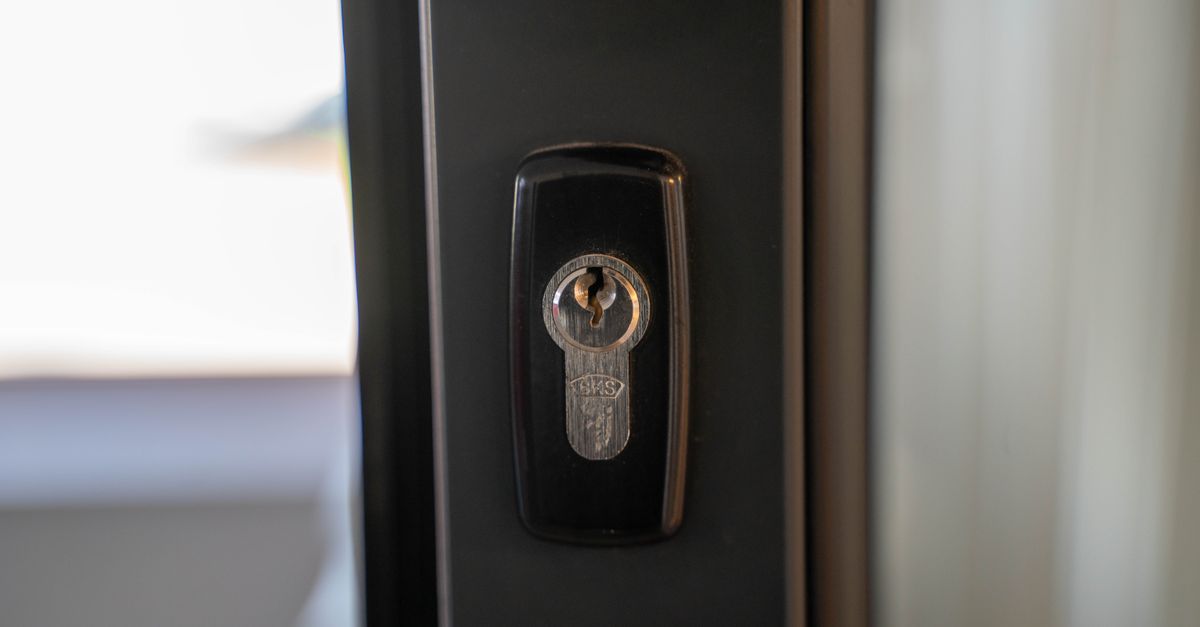
In practice, though, problems arise when one or both locks are not up to standard. We attend lockouts and lock change jobs across the Hackney area every week, and a few patterns come up repeatedly. Some tenants discover that the outgoing occupant never returned all the key copies — the nightlatch cylinder needs changing but the mortice is fine. Others find that an old 2 lever mortice lock means their insurer will not pay out on a burglary claim. And on uPVC and composite doors — now very common on purpose-built flats and housing association properties in areas like Homerton and Clapton — the system is different again: a multipoint lock replaces both a traditional nightlatch and mortice lock, with multiple bolts activated by lifting the handle, all operated through a euro cylinder in the centre of the door. That euro cylinder carries its own specific risk (cylinder snapping), and the right response is fitting an anti-snap, TS007 3-star rated cylinder. If you are unsure whether your door meets current standards, treating it as urgent is the right instinct.
## Choosing the Right Lock for Your Door — and When to Call a Locksmith London
Picking the correct lock is not simply about grabbing whatever fits the hole. The right choice depends on the door material (timber, uPVC, composite, steel), the door thickness, the existing keep and frame condition, and what your insurer or landlord requires. For timber front doors, a BS3621 5 lever mortice lock paired with a quality nightlatch — ideally with an anti-snap euro cylinder if the nightlatch uses one — is the standard to aim for. For a uPVC door, a multipoint lock repair or a cylinder upgrade is often what is needed rather than a full lock change. For a composite door common in newer Hackney builds, a TS007-rated 3-star cylinder is worth asking about specifically.
An exterior door knob with lock and key is another option you will sometimes see, particularly on back doors or on doors that have had a surface-mounted knob set added for convenience. These can include their own integrated latch and sometimes a small key lock in the knob body itself. They are rarely sufficient as a primary security measure on a front door, but they can serve as a secondary or internal lock. If you are dealing with a failed lock, a door that has been forced, or simply a lock that is decades old and no longer turning smoothly, the most practical step is to have a trained locksmith London assess the door properly. Our team is local to Hackney and familiar with the full range of door types you find across E8, E5, N1, N16, and the surrounding postcodes — call us on 020 3757 8288 and we can usually be with you in around 30 minutes.
When thinking about the factors that affect what a job will cost, the main ones are the type and grade of lock or cylinder needed, any parts that need sourcing, the time of day (evenings, weekends and bank holidays are accounted for in our call-out charge), and travel from our nearest available locksmith to your address. We confirm an exact up-front price before any work begins — no surprises on the invoice.
## Locked Out, Thinking About a Lock Change, or Planning a Door Lock Replacement London? Here Is What to Do First
If you are locked out of your home in London, the first sensible step is always to check for a spare key with a neighbour, family member, or your letting agent before anything else. Also check whether a back door or window has been left accessible. If none of those options exist, call a professional — do not attempt to force entry yourself, as this can damage the door, the frame, and sometimes the lock itself, turning a simple lockout into a more involved and costly repair.
For anyone considering a lock change London job — perhaps after a break-in, a change of tenancy, or because a key has gone missing — the process is straightforward when handled by an experienced locksmith. We assess the door, confirm what needs replacing, and quote the job before we start. The same applies to a uPVC door lock repair London: multipoint locks and euro cylinders on uPVC doors have specific mechanisms that need to be matched correctly; fitting the wrong replacement can leave the door difficult to operate or less secure than before. As a 24 hour locksmith London, we handle emergency door lock replacement London jobs at any time of day or night, seven days a week — including bank holidays. Dalston Locksmith is based in and around the Hackney area, so whether you are in Dalston, Shacklewell, Stoke Newington, Homerton, or anywhere nearby, we send a locksmith straight away and are usually with you in about 30 minutes.
## 25 Services We Provide as Your Local Emergency Locksmith London
We cover a wide range of residential locksmith work across Hackney and the wider London area. Here is a full picture of what our mobile team handles: front door lockout response; uPVC door lockout; composite door lockout; timber door lockout; nightlatch replacement; nightlatch cylinder replacement; 5 lever mortice lock supply and fit; 2 lever mortice lock upgrade to 5 lever; BS3621 mortice deadlock installation; euro cylinder replacement; anti-snap cylinder upgrade; TS007 3-star cylinder fitting; multipoint lock repair; multipoint lock replacement; uPVC door lock repair London; door lock replacement London; rim lock replacement; door handle and spindle replacement; lock change London after a break-in; lock change London for a new tenancy; emergency lock change London out of hours; forced entry repair and door resecuring; letter box anti-tampon plate fitting; door frame and keep repair after forced entry; security survey and lock upgrade advice for landlords, letting agents, and housing associations.
Frequently asked questions
What is a mortice lock, and is it the same as a deadlock?+
A mortice lock is a lock fitted inside a pocket cut into the edge of the door, with a solid bolt that is thrown manually by turning a key and does not spring back on its own. In British English, it is usually called a mortice deadlock rather than a deadlock, though the function is the same. It is different from a nightlatch, which is surface-mounted and spring-loaded. The two locks serve different purposes and are most secure when used together.
What is a rim lock, and is it the same as a Yale lock?+
A rim lock is a surface-mounted lock fixed to the inside face of a door. A nightlatch — often called a Yale lock after the well-known style — is the most common type of rim lock found on UK front doors. The key-accepting part on the outside of the door is called a rim cylinder. Rim locks are convenient because the latch closes automatically when you pull the door shut, but they offer less security than a mortice deadlock and should always be used alongside one on a front door.
My insurer is asking for a 5 lever mortice lock — what does that mean, and does my door already have one?+
A 5 lever mortice lock contains five levers inside the mechanism, which creates a very large number of possible key combinations and makes the lock far more resistant to picking and to being opened with a similar key. Most UK home insurers require a 5 lever mortice lock that meets British Standard BS3621 on external doors. If you are unsure whether your current lock meets this standard, the simplest thing to do is call us on 020 3757 8288. We can assess the lock on site and let you know exactly what is fitted and whether it needs upgrading.
How quickly can you reach me if I am locked out of my home in Hackney?+
We send a locksmith straight away as soon as you call, and we are usually with you in around 30 minutes. We operate 24 hours a day, seven days a week, including evenings, weekends and bank holidays. When you call 020 3757 8288, we confirm an exact up-front price before anyone sets off, so you know exactly what to expect before work begins. We cover Dalston, Stoke Newington, Homerton, Clapton, London Fields, Shacklewell, and all surrounding areas.