Dalston Locksmith Service Team
Local locksmith team
15 Jul 2026 12 min read
When something goes wrong with a lock — a key snaps, a burglary attempt leaves the door compromised, or a tenancy changes hands — the first question is usually the same: does the whole lock need to come out, or is a cylinder swap enough? It is a reasonable thing to wonder, because the answer affects how long the job takes, what parts are needed, and how much disruption you face. Getting it wrong means either paying for more work than necessary or, worse, leaving a door less secure than it should be.
This guide walks through the difference between a cylinder and a lock case, the situations where each type of replacement is the right call, and what a skilled locksmith London homeowners can trust will actually do during each job. Whether you are on a terraced street in Dalston, in a flat on Queensbridge Road, or managing a rented property anywhere across Hackney, understanding these basics helps you make a confident decision when something goes wrong.
## Cylinder vs Lock Case: What Each Part Actually Does
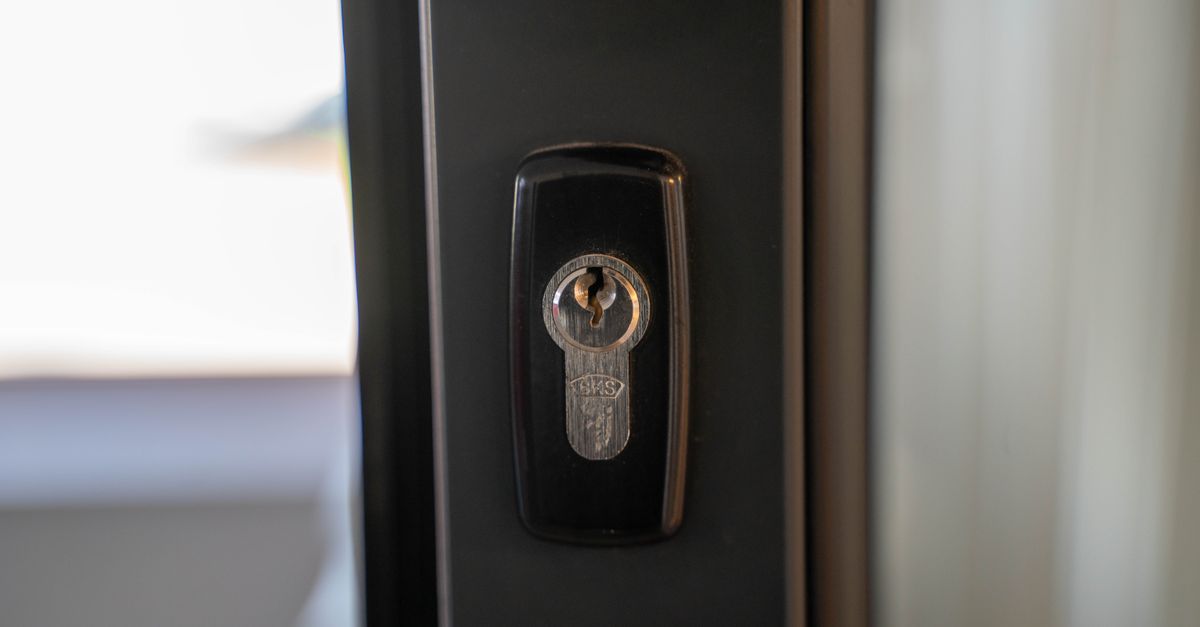
The cylinder is the barrel that your key turns — the plug of metal that sits inside the lock and operates the mechanism when the correct key profile is inserted. On a uPVC or composite front door, this is almost always a euro cylinder, the oval-shaped component you can see on the face of the door. On a traditional timber front door, it might be part of a Yale-type nightlatch. The cylinder is what determines which key opens the door, and it is also the part most vulnerable to attack techniques such as snapping — a known risk on many euro cylinder locks where the cylinder protrudes too far beyond the door furniture.
The lock case, by contrast, is the internal mechanism housed inside the door itself. On a timber front door this is typically a 5-lever mortice deadlock recessed into the edge of the door — the type many home insurers specifically require, often to BS3621 standard. The case contains the levers, bolt, and all the working parts that physically secure the door to the frame. Replacing or repairing the case is a more involved job, usually requiring the door to be open and worked on from both sides. Understanding which of these two components is at fault — or at risk — is the first decision a professional locksmith makes when they arrive.
## When a Cylinder Change Is Enough — and How Lock Changes London Work in Practice
A cylinder replacement is often the right answer after a change of tenancy, after losing a set of keys, or after a near-miss where someone tried to snap the existing cylinder. Homeowners sometimes ask whether they need to change the cylinder on a new lock when moving into a property — in the UK context, changing the cylinder means altering the internal pins so old keys no longer work. In practice, most skilled locksmiths here will simply fit a new euro cylinder, which achieves exactly the same result: every previous key becomes useless, and you start fresh with new ones. It is cleaner, faster, and the new cylinder can be upgraded at the same time — for example, to a TS007 3-star anti-snap cylinder, which provides meaningful resistance against the most common forced-entry method used on uPVC doors across London.
A cylinder swap on a standard euro cylinder typically takes a locksmith fifteen to twenty minutes. The old cylinder is removed by undoing a single retaining screw and turning it to the release position, the new one is fitted in reverse, and the door is tested on both sides. If you have a multipoint locking door — the kind where lifting the handle shoots multiple bolts around the door frame — the cylinder replacement is usually still straightforward, provided the mechanism itself is operating correctly. A professional lock change London service will confirm on the phone whether a cylinder alone is likely to solve the problem before anyone travels out.
## When the Whole Lock Must Be Replaced — Door Lock Replacement London Explained
There are situations where a cylinder swap will not resolve the problem. If the internal mechanism of a mortice lock has been damaged — perhaps during a break-in attempt, or simply through years of wear — the levers or bolt may no longer operate correctly. A 5-lever mortice deadlock that has been forced will often show visible damage to the case, the keyway, or the strike plate on the door frame. In these cases, door lock replacement London residents need means removing the entire lock case from the mortice pocket in the door edge, sourcing a matching or superior replacement, and fitting it correctly so the bolt aligns precisely with the strike plate. Incorrect alignment is one of the most common reasons a newly fitted lock is stiff or fails to engage fully.
On uPVC doors, the multipoint locking mechanism itself can fail independently of the cylinder. Gearboxes wear out, hooks break, and the spindle that connects the handle to the mechanism can shear. A uPVC door lock repair London call that turns out to be a failed gearbox means the cylinder is irrelevant — the case or mechanism is the problem. A good locksmith will diagnose this quickly: if the key turns freely but the door still will not lock or unlock, the cylinder is working and the mechanism is at fault. If you are struggling to turn the key at all, the cylinder is the more likely culprit. Sometimes — particularly after a forced-entry attempt — both need attention.
## Measuring, Fitting, and Getting It Right the First Time
One of the most practical questions that comes up during a lock change is how to measure correctly so the replacement part fits. For a euro cylinder, the critical measurement is from the centre of the fixing screw hole to each end of the cylinder — for example, a 35/45 cylinder measures 35mm on the inside and 45mm on the outside. Getting this wrong means either a cylinder that protrudes dangerously beyond the door furniture (increasing snap risk) or one that sits recessed and cannot be turned with a key. For a mortice lock, understanding how to measure the backset on a mortice lock is equally important: the backset is the distance from the edge of the door (the face plate side) to the centre of the keyhole. Standard backsets are typically 57mm or 76mm, and fitting a lock with the wrong backset means the keyhole ends up in the wrong position relative to the door furniture, requiring new holes or a new escutcheon plate.
These measurements matter because they determine which replacement part will fit without additional work to the door. When you call a professional ahead of a planned lock change, sharing the door type (timber, uPVC, composite), the brand visible on the existing lock, and whether the door is single or multipoint will allow the locksmith to arrive with the right parts. For emergency call-outs — a locked out London situation late in the evening, for instance — an experienced locksmith carries a range of common cylinders and cases precisely so the door can be made secure in a single visit. If you are locked out and in Hackney, we send a locksmith straight away and are usually with you in around 30 minutes. Call 020 3757 8288 and we will talk through what is needed before anyone sets off.
## Combination Locks, Coded Locks, and a Note on Security Decisions
Not every lock question is about a cylinder or a mortice case. Some homeowners have combination-style padlocks on outbuildings or gates, and periodically ask how to change a combination lock code or how to change the code on a door lock after a keypad is shared with contractors. On combination padlocks, the reset procedure usually involves opening the lock on the current code, holding the shackle down, turning it to a reset position, dialling the new combination, and returning the shackle — though the exact process varies by mechanism, and some older locks require a reset tool. On digital door locks with a keypad, changing the code typically involves holding a programming button, entering a master code, and then entering the new user code twice; the manual for the specific unit is essential here because sequences differ significantly between manufacturers.
On the question of picking — homeowners sometimes search for how to pick a door knob lock after locking themselves out. We would always encourage checking for a spare key with a neighbour, trying a back door or ground-floor window you know to be accessible, or calling a professional rather than attempting to manipulate a lock yourself. Attempting to pick or force a lock without the right tools and experience risks damaging the mechanism, the door, and potentially the frame — turning a simple lockout into a more involved repair job. A 24 hour locksmith London service exists precisely for these moments. Whether it is 2am on a weekday or a bank holiday afternoon, the right call is to ring a professional who can open the door cleanly and assess whether the lock needs upgrading at the same time.
## What Affects the Cost — and How We Quote
The final cost of any cylinder swap or lock replacement depends on several factors: the type of door and lock involved, the specific parts required (a standard euro cylinder differs from a high-security TS007 3-star upgrade, and a 5-lever mortice lock to BS3621 requires a quality case), the time of day (evenings, weekends, and bank holidays carry a different call-out charge to standard daytime hours), and your location within our coverage area. We cover Hackney and surrounding areas — from Stoke Newington down to Bethnal Green, from Homerton across to Shoreditch — so travel time is typically short. We confirm an exact, up-front price on the phone before we come out, so there are no surprises when the job is done. No work begins until you have agreed to that figure. If you are a landlord or letting agent managing a property in the area, we work regularly with managing agents and housing associations and understand the requirements around tenant changeovers and insurance-compliant locks.
## 24-Hour Emergency Locksmith London — We Cover Hackney Around the Clock
Dalston Locksmith operates as a fully insured, mobile service across Hackney and the surrounding postcodes. We do not have a shop — every job is attended in person, with parts carried in the van, by a trained locksmith who can assess the door, diagnose whether the cylinder or the full mechanism needs attention, and carry out the work to a professional standard in a single visit. Whether the situation is a locked out London emergency at midnight, a damaged lock following an attempted break-in on a Ridley Road side street, or a planned security upgrade on a flat in London Fields, we are available every hour of every day, including bank holidays. For non-urgent jobs, we are happy to talk through the options and advise on the most appropriate solution — sometimes the right answer is an anti-snap cylinder upgrade rather than a full lock replacement, and we will tell you that honestly rather than recommend more than is needed. Call 020 3757 8288 — we answer 24/7 and will give you a clear quote before any work begins.
Frequently asked questions
Do I need to replace the whole lock or just the cylinder after losing my keys?+
In most cases, losing keys means you only need a cylinder replacement — particularly if you have a uPVC or composite door with a euro cylinder, or a Yale-type nightlatch on a timber door. A new cylinder means every key that previously worked no longer does, without touching the lock case or the door. The exception is if the existing lock is old, worn, or not to current insurance standards — in that case, we might recommend upgrading the case at the same time. We will tell you which applies when you call.
How do you measure the backset on a mortise lock, and why does it matter?+
The backset on a mortice lock is the distance from the edge of the door — the face plate side where the bolt shoots out — to the centre of the keyhole. You measure it with the door open, running a tape from that edge to the middle of the keyhole. Standard backsets in the UK are typically 57mm or 76mm. If you fit a replacement lock with the wrong backset, the keyhole ends up misaligned with the escutcheon plate and the existing door furniture, which may mean additional work to the door. Knowing this measurement before we arrive allows us to bring the correct replacement part and complete the job in one visit.
Is it worth upgrading to an anti-snap cylinder, and what does that involve?+
Yes — particularly on uPVC and composite doors, which almost all use euro cylinders. Standard euro cylinders can be snapped using a technique that takes seconds and requires no specialist skill, which is why it has become a common method on residential doors across London. An anti-snap, TS007 3-star rated cylinder has a sacrificial break point designed so that if the outer section is snapped off, the internal locking mechanism remains intact and the door stays locked. Fitting one is the same process as a standard cylinder replacement — it takes around fifteen to twenty minutes — and many home insurers now either recommend or require this standard. We carry a range of sizes and can fit one at the same time as any other lock work.
Can you change a lock in the middle of the night, and how quickly can you get to me in Hackney?+
Yes — we operate 24 hours a day, every day of the year, including bank holidays. If you are locked out or your lock has been damaged and needs immediate attention, we send a locksmith straight away and are usually with you in around 30 minutes, depending on where in Hackney or the surrounding area you are. Call 020 3757 8288 at any time of day or night and we will confirm availability, talk through what has happened, and give you an exact price before we set off.